Post-Harvest Management
Training & Technical Assistance in
Durables and Perishables
Combining Global Experience and Local Knowledge to Help Resolve Challenges in Post-Harvest Management of Durables and Perishables.
Post-Harvest Consulting (PHC) is a management consulting firm dedicated to reducing post-harvest losses of durables and perishables enhancing the competitiveness of farmers and enterprises. With decades of experience in both local and international contexts, PHC provides research-based, commercially viable technical assistance and capacitybuilding services to SMEs, farmer organizations, and international development programs. By promoting the adoption of modern agricultural technologies and best practices, PHC supports national and global efforts to improve food security, increase incomes, and strengthen agricultural value chains.
30+
Years Experience
Delivering research-driven post-harvest solutions across diverse agro-climatic regions, combining global best practices with local execution.
40-80%
Our goal to reduce losses
Proven post-harvest interventions helping farmer enterprises and SMEs significantly reduce losses in grains and perishables.
500+
provision of TA to national and international
clients and stakeholders.
Capacity building programs empowering farmers, SMEs, and organizations with practical, scalable post-harvest management skills.
What We Offer
Provision of Technical assistance and training per internationallly recognized post-harvest best practices.
Climate Resilient and appropriate Grain Storage Technologies
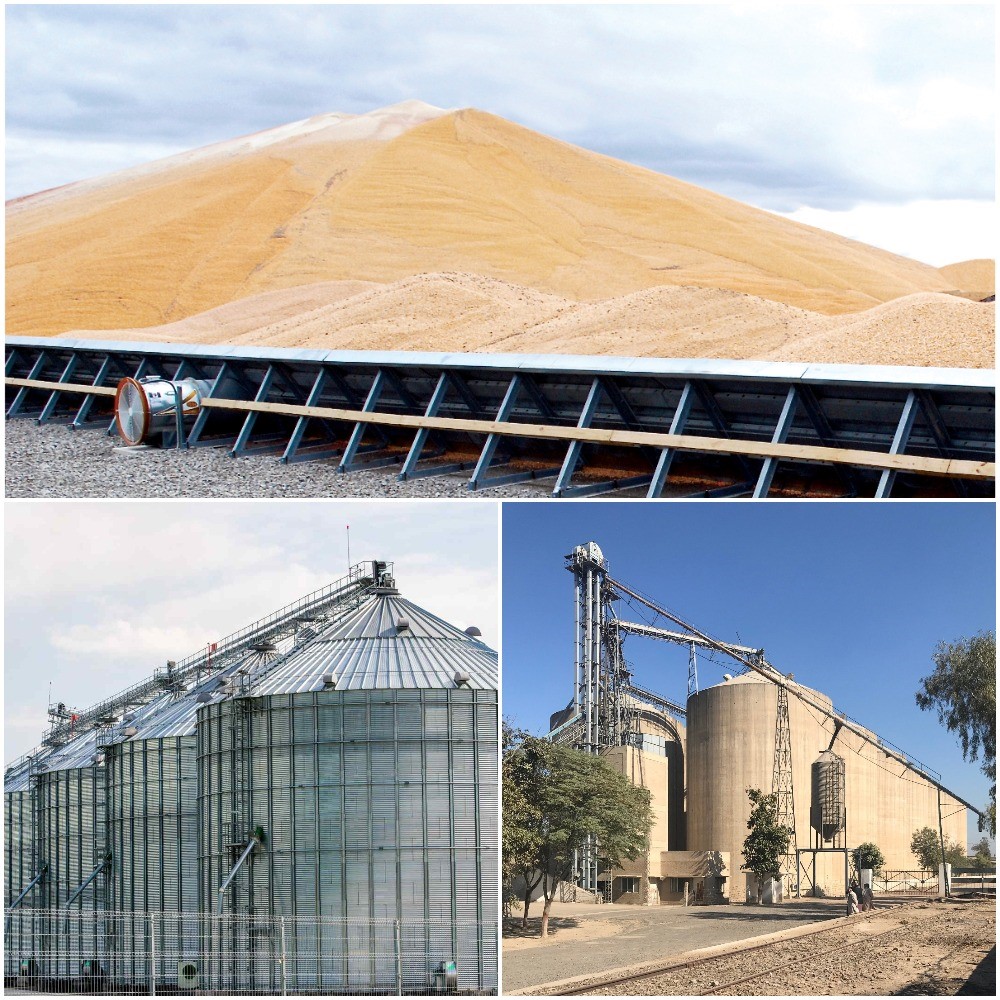
Pakistan’s grain sector faces critical challenges in handling, quality testing, drying, aeration, and milling, with preventable storage losses contributing significantly to food insecurity. Beyond the scarcity of storage facilities at farm and milling levels, many problems stem from inadequate post-harvest practices and management. Encouragingly, these losses can be reduced through careful planning, efficient use of resources, and the adoption of scientific, internationally recognized best practices. Strengthening food security systems requires investment in modern storage infrastructure, improved handling techniques, and capacity-building initiatives that empower stakeholders to minimize losses and enhance grain quality.
Climate Resilient and Appropriate Technologies for
Perishables
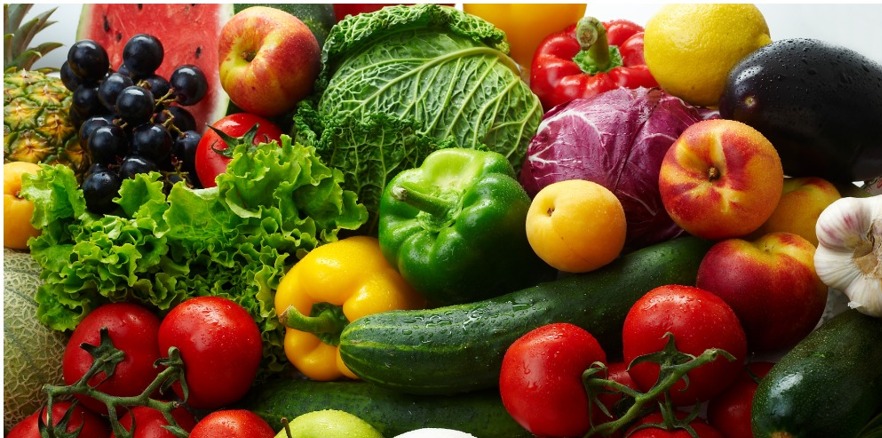
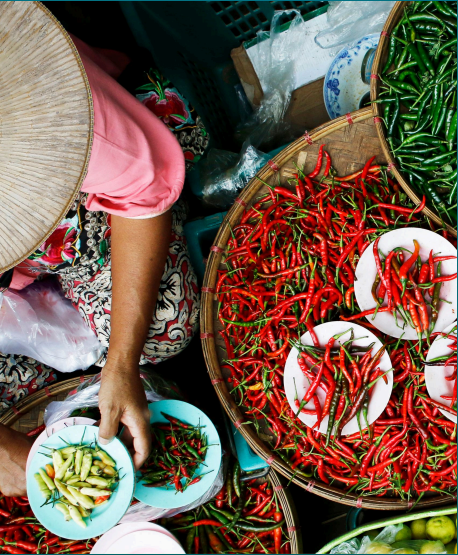
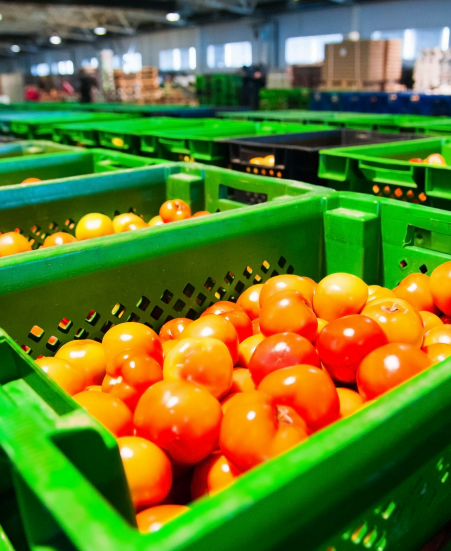
Post-harvest management plays a vital role in ensuring the availability, quality, and safety of food products, ultimately leading to higher incomes across the value chain, greater consumer satisfaction, and reduced environmental impact. Achieving this requires a complete value chain approach, connecting farm to market in a coherent and integrated manner. A critical component is temperature control through effective cool chain management, which demands consistent maintenance of optimal temperatures from harvest to sale—including during loading and unloading. Like any chain, a single weak link breaks the system; cooling once is not enough if temperatures are allowed to rise. Continuous vigilance and adherence to best practices are essential to safeguard food quality and strengthen food security through effective traceability system in the supply chain.
Food Products Traceability and Compliance
Post-harvest management plays a vital role in ensuring the availability, quality, and safety of food products, ultimately leading to higher incomes across the value chain, greater consumer satisfaction, and reduced environmental impact. Achieving this requires a complete value chain approach, connecting farm to market in a coherent and integrated manner. A critical component is temperature control through effective cool chain management, which demands consistent maintenance of optimal temperatures from harvest to sale—including during loading and unloading. Like any chain, a single weak link breaks the system; cooling once is not enough if temperatures are allowed to rise. Continuous vigilance and adherence to best practices are essential to safeguard food quality and strengthen food security.
Program Support and Partnership
Post-harvest management is central to achieving the UN Sustainable Development Goals by reducing food losses, improving quality, and strengthening food security. Through global partnerships, technical assistance can provide training, knowledge sharing, and practical tools to enhance storage, handling, pest control, drying, packaging, and transportation. By building partner capacity in these areas, food safety is improved, shelf life is extended, and profitability is increased—ultimately fostering more resilient supply chains and better livelihoods for producers.
Our Popular Trainng Courses
in Post-harvest management
Become a well-versed enterprise – learn the latest techniques and practices used in Post Harvest Management through our research based, easy to understand Training Courses
Handling Management and Marketing of Cereal Grains.
Flour milling is an art of grain cleaning, processing, grading, blending and distribution…
Handling, sorting, packaging aand
Marketing of Perishables
Flour milling is an art of grain cleaning, processing, grading, blending and distribution…
Cool Chain Management of Perishables
Flour milling is an art of grain cleaning, processing, grading, blending and distribution…
Biofortified Crops
Iron Bean
Delivering research-driven post-harvest solutions across diverse agro-climatic regions, combining global best practices with local execution.
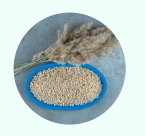
Iron Pearl Millet
Delivering research-driven post-harvest solutions across diverse agro-climatic regions, combining global best practices with local execution.
Vitamin A Orange Sweet Potato
Delivering research-driven post-harvest solutions across diverse agro-climatic regions, combining global best practices with local execution.
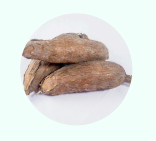
Vitamin A Cassava
Delivering research-driven post-harvest solutions across diverse agro-climatic regions, combining global best practices with local execution.
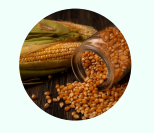
Vitamin A Maize
Delivering research-driven post-harvest solutions across diverse agro-climatic regions, combining global best practices with local execution.
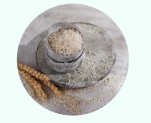
Zinc Wheat
Delivering research-driven post-harvest solutions across diverse agro-climatic regions, combining global best practices with local execution.
Zinc Rice
Delivering research-driven post-harvest solutions across diverse agro-climatic regions, combining global best practices with local execution.
Zinc Maize
Delivering research-driven post-harvest solutions across diverse agro-climatic regions, combining global best practices with local execution.
Our Partners
Feedback from organizations and stakeholders we have supported across post-
harvest management initiatives.
Our Pool of Experts
Subscribe to our newsletter for research-backed insights, practical guidance, and updates on post-harvest
management, food security, and capacity-building initiatives. Stay informed about emerging best practices,
training opportunities, and lessons learned from real-world projects.